ABOUT NAYÚR
Some knowledge lives in books. Some lives in people.
In the way a grandmother knows which plant to use before a doctor is called. In the way a fisherman reads the sea without instruments. In the way a drum is tuned not by machine but by hand and ear, and memory. This knowledge — passed down through kitchens and fields and front porches — is some of the most precise and valuable knowledge in the world. And it disappears quietly, generation by generation, when no one writes it down.
Nayúr exists to document it, to write it down.
It is a living encyclopedia and archive of Caribbean knowledge and culture — its plants, its foods, its music, its rituals, its people, and the traditions that have sustained communities across centuries. Every article is researched, sourced, and written with care. Not to be the final word on anything, but to be a trustworthy place to begin.
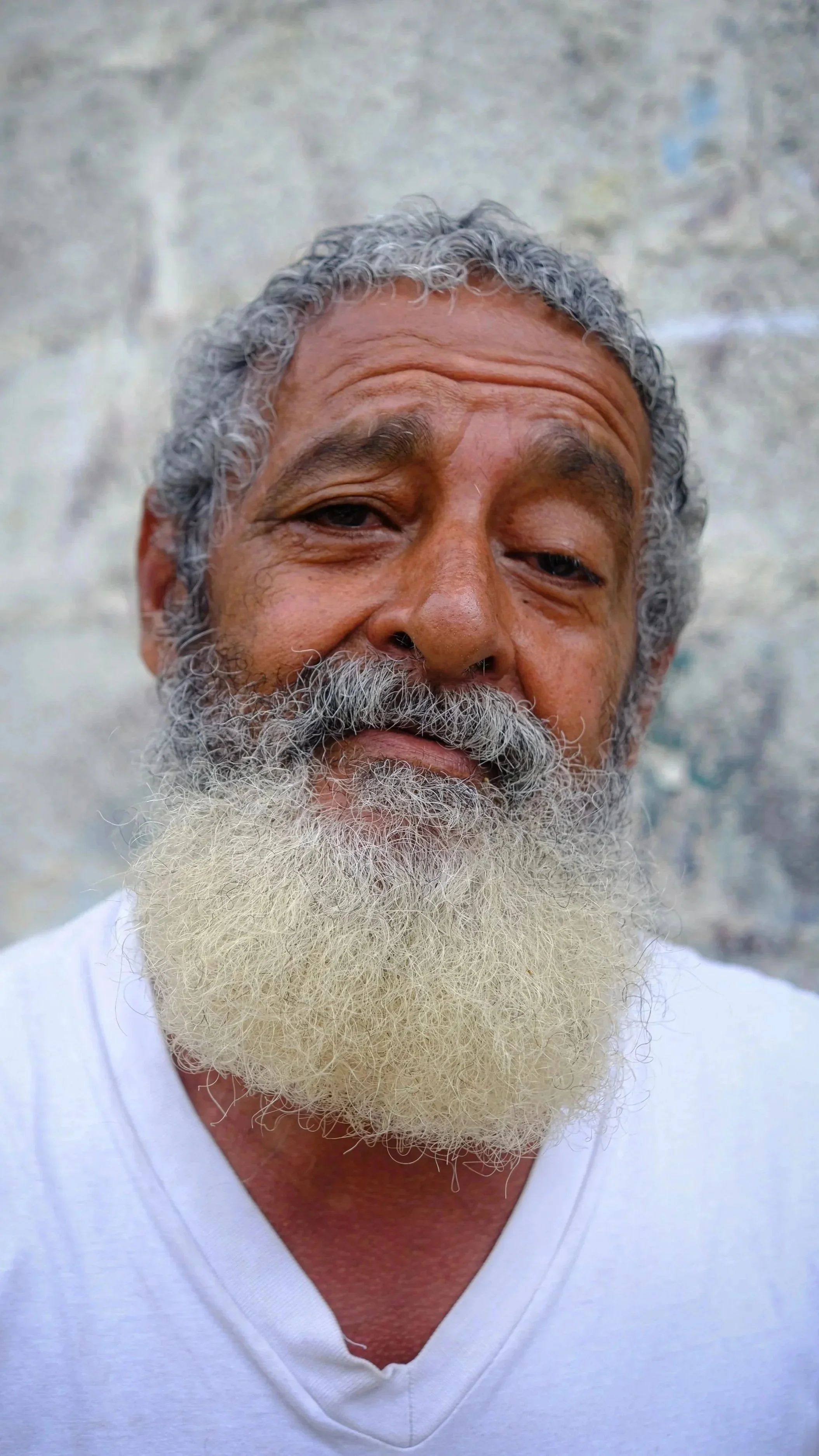
The encyclopedia gives you knowledge. The archive gives you something closer — the voices, the faces, the hands at work. Interviews with artisans and elders. Photographs taken in the field. Stories that were never meant to be lost.
Nayúr is a made-up word. Invented to hold something that didn't have a container yet. It was built from a simple desire: to capture the richness of the Latin-Caribbean culture and keep it somewhere safe, honest, and alive.
It is built and written by Françoise Mackay, and published in English and Spanish — because the world it documents speaks both.
It grows by three to four new entries every month. It does not rush what deserves time.
Where our Caribbean knowledge lives.